

Pro-code
Claude Code, Cursor, Windsurf, custom frameworks
Agent Discovery & Posture Management
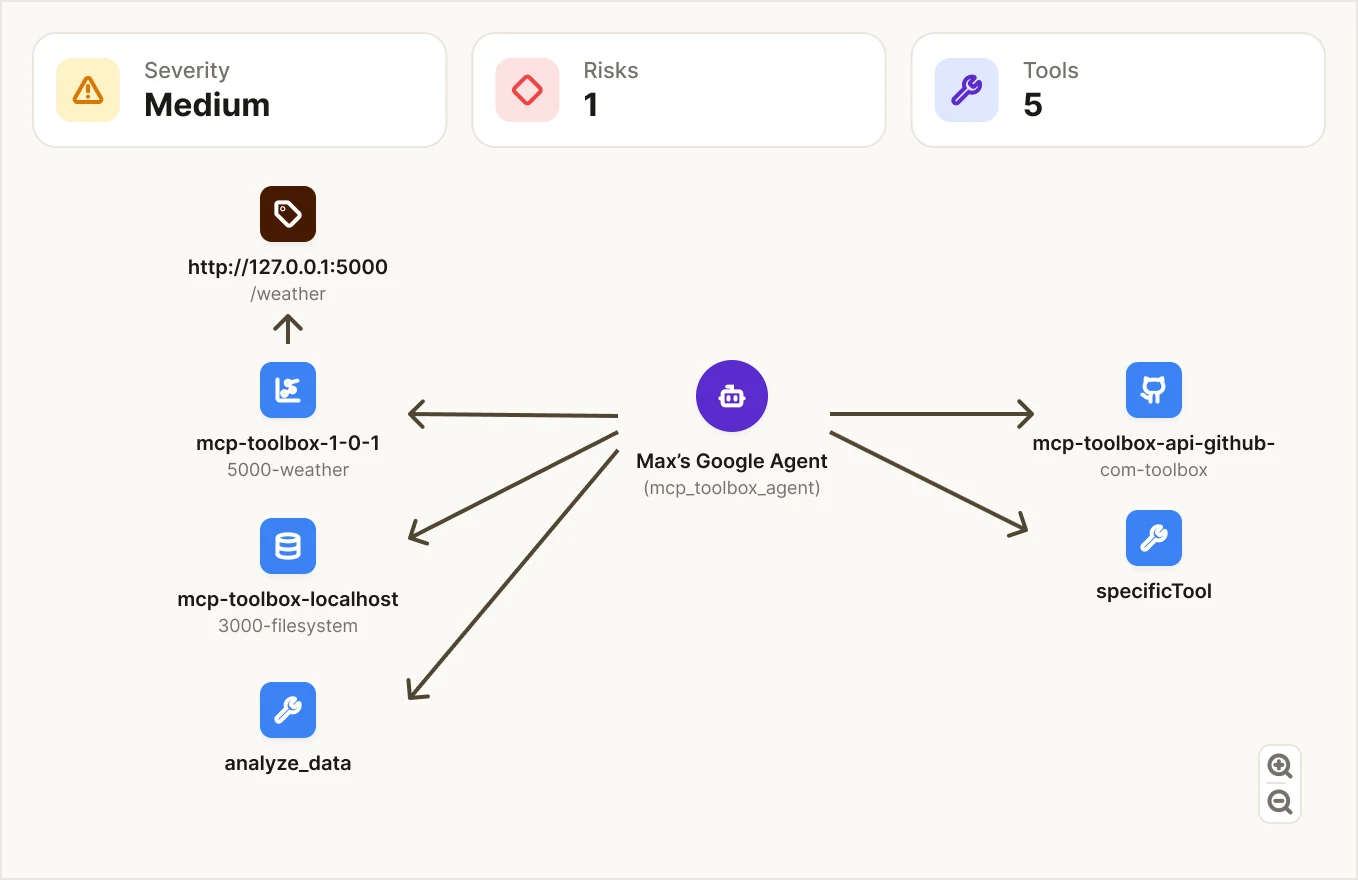
Geordie finds every agent across your estate and shows what each one is configured to do, what it can reach, and what it is actually doing. Nothing needs reconfiguring to be found.









And dozens more
Geordie works agent-out. Rather than watching traffic at a boundary and inferring what an agent meant to do, we sit as close to the agent as it is possible to get – inside the execution environment, across cloud, code, endpoint and browser.
That proximity is what turns a snapshot into a picture. You see the whole decision-making lifecycle as it happens, rather than a slice of it sampled at a chokepoint – and without the latency that routing every agent through one imposes. Your agentic footprint stays accurate as it changes, which is what lets a security team encourage adoption instead of becoming the thing that slows it down.
It is the foundation everything else rests on, and it starts with a clear picture of what each agent is connected to.
The Agent Lifecycle
Geordie automatically builds a register of all agents: owner, platform, tools, data reach, last activity. It stays current without anyone having to fill in a form.
Geordie goes beyond knowing an agent exists. We reveal what it is configured to do, everything it can reach, and what it is doing – including:
Claude Code, Cursor, Windsurf, custom frameworks
Copilot Studio, Bedrock, Foundry, HubSpot Breeze
Desktop assistants, IDE and browser extensions
Business-built agents, where the count is usually worst
Agents change every day – a new skill, a widened permission, a copied configuration. Posture management tracks the drift.
| Posture changes, last 7 days | continuous |
|---|---|
| pr-review-agent gained repository write access | Medium High |
| onboarding-agent added an unreviewed skill | Low Medium |
| market-research connected a new SaaS source | Low Medium |
| claims-triage credential scope reduced by its owner | Critical High |
We're seeing the iceberg that rocked the Titanic weeks in advance rather than the moment it appears on screen.
“We're seeing the iceberg that rocked the Titanic — weeks in advance rather than the moment it appears on screen. We're able to take a snapshot of the entire ecosystem and have adult, grown-up conversations about what's responsible and what's not. We can quantify everything now.”

“My leadership team approved these tools because I could show them with Geordie what the agents were doing. Not what the model was doing. Not what the network was logging. What the agent was actually doing, step by step, on their behalf. That's the view that matters.”

“We've got Geordie deployed across at least 90% of our tech ecosystem now, and the visibility it gives me helps me articulate the return of control, the reduction of risk, and how well we're managing AI adoption.”
“Agentic AI technologies will enable the most significant delegation of data analysis, decision making and execution privileges ever seen. Coupled with the rapid adoption of MCP integrations, agentic AI is already a top risk for many companies. For us, Geordie gives us oversight & visibility - the first layer in any effective cyber defence.”

“We've been rolling out agentic AI across the business for a while now, and the governance question kept coming up: what's actually running, what can it do, and what happens if something goes wrong? Geordie is helping us solve these problems. It's given us real peace of mind, and they're improving their product every week. Geordie should be on every company's shortlist for agentic AI discovery and governance.”

“One of the key challenges for us was how to secure agentic AI in a practical and scalable way. Geordie's endpoint-based approach stood out because it gave us visibility close to where agent activity happens, without forcing us into a more complex gateway-based model. It gave us the balance of visibility, governance, and architectural simplicity.”

“We're seeing the iceberg that rocked the Titanic — weeks in advance rather than the moment it appears on screen. We're able to take a snapshot of the entire ecosystem and have adult, grown-up conversations about what's responsible and what's not. We can quantify everything now.”
“My leadership team approved these tools because I could show them with Geordie what the agents were doing. Not what the model was doing. Not what the network was logging. What the agent was actually doing, step by step, on their behalf. That's the view that matters.”
“We've got Geordie deployed across at least 90% of our tech ecosystem now, and the visibility it gives me helps me articulate the return of control, the reduction of risk, and how well we're managing AI adoption.”
“Agentic AI technologies will enable the most significant delegation of data analysis, decision making and execution privileges ever seen. Coupled with the rapid adoption of MCP integrations, agentic AI is already a top risk for many companies. For us, Geordie gives us oversight & visibility - the first layer in any effective cyber defence.”
“We've been rolling out agentic AI across the business for a while now, and the governance question kept coming up: what's actually running, what can it do, and what happens if something goes wrong? Geordie is helping us solve these problems. It's given us real peace of mind, and they're improving their product every week. Geordie should be on every company's shortlist for agentic AI discovery and governance.”
“One of the key challenges for us was how to secure agentic AI in a practical and scalable way. Geordie's endpoint-based approach stood out because it gave us visibility close to where agent activity happens, without forcing us into a more complex gateway-based model. It gave us the balance of visibility, governance, and architectural simplicity.”
“We're seeing the iceberg that rocked the Titanic — weeks in advance rather than the moment it appears on screen. We're able to take a snapshot of the entire ecosystem and have adult, grown-up conversations about what's responsible and what's not. We can quantify everything now.”
“My leadership team approved these tools because I could show them with Geordie what the agents were doing. Not what the model was doing. Not what the network was logging. What the agent was actually doing, step by step, on their behalf. That's the view that matters.”
“We've got Geordie deployed across at least 90% of our tech ecosystem now, and the visibility it gives me helps me articulate the return of control, the reduction of risk, and how well we're managing AI adoption.”
“Agentic AI technologies will enable the most significant delegation of data analysis, decision making and execution privileges ever seen. Coupled with the rapid adoption of MCP integrations, agentic AI is already a top risk for many companies. For us, Geordie gives us oversight & visibility - the first layer in any effective cyber defence.”
“We've been rolling out agentic AI across the business for a while now, and the governance question kept coming up: what's actually running, what can it do, and what happens if something goes wrong? Geordie is helping us solve these problems. It's given us real peace of mind, and they're improving their product every week. Geordie should be on every company's shortlist for agentic AI discovery and governance.”
“One of the key challenges for us was how to secure agentic AI in a practical and scalable way. Geordie's endpoint-based approach stood out because it gave us visibility close to where agent activity happens, without forcing us into a more complex gateway-based model. It gave us the balance of visibility, governance, and architectural simplicity.”
“We've been rolling out agentic AI across the business for a while now, and the governance question kept coming up: what's actually running, what can it do, and what happens if something goes wrong? Geordie is helping us solve these problems. It's given us real peace of mind, and they're improving their product every week. Geordie should be on every company's shortlist for agentic AI discovery and governance.”
We’ll plug in one platform, show you the agents running on it, and walk you through the findings. See your agents in a new light.
See how we handle your data in our Trust Center (opens in a new tab)
Your request has been received.
Geordie combines what the agent can reach with where it sits, what data that unlocks and how reversible its actions are. Two identical agents in different departments get different answers – and different policies. Scores also reflect what each agent has been observed doing, which Behavioral Understanding tracks session by session.
claims-triage · Claims ops
Critical riskThe same platform in Marketing scores Low on all five.
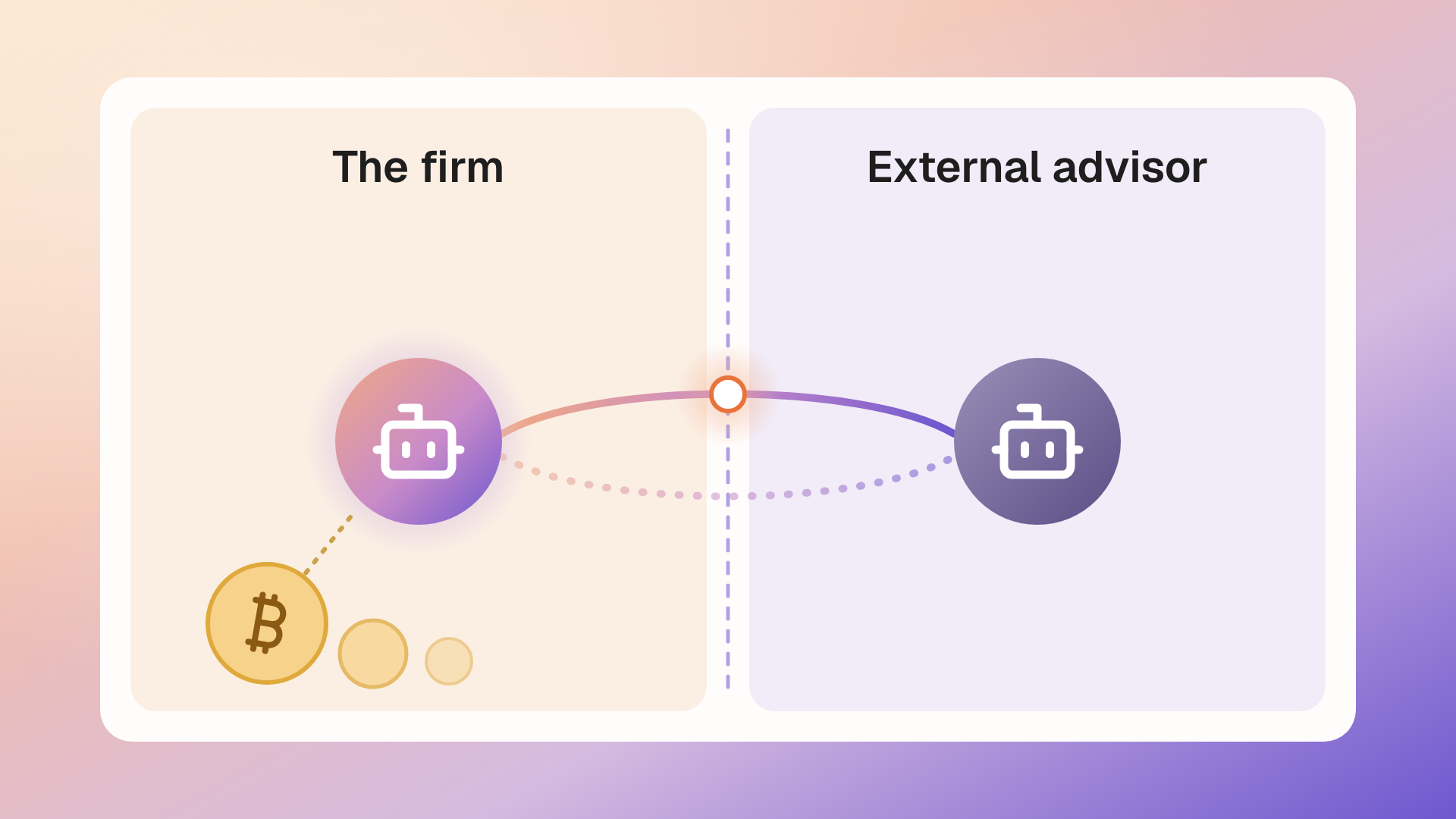
An AI agent was being used to mine Bitcoin.
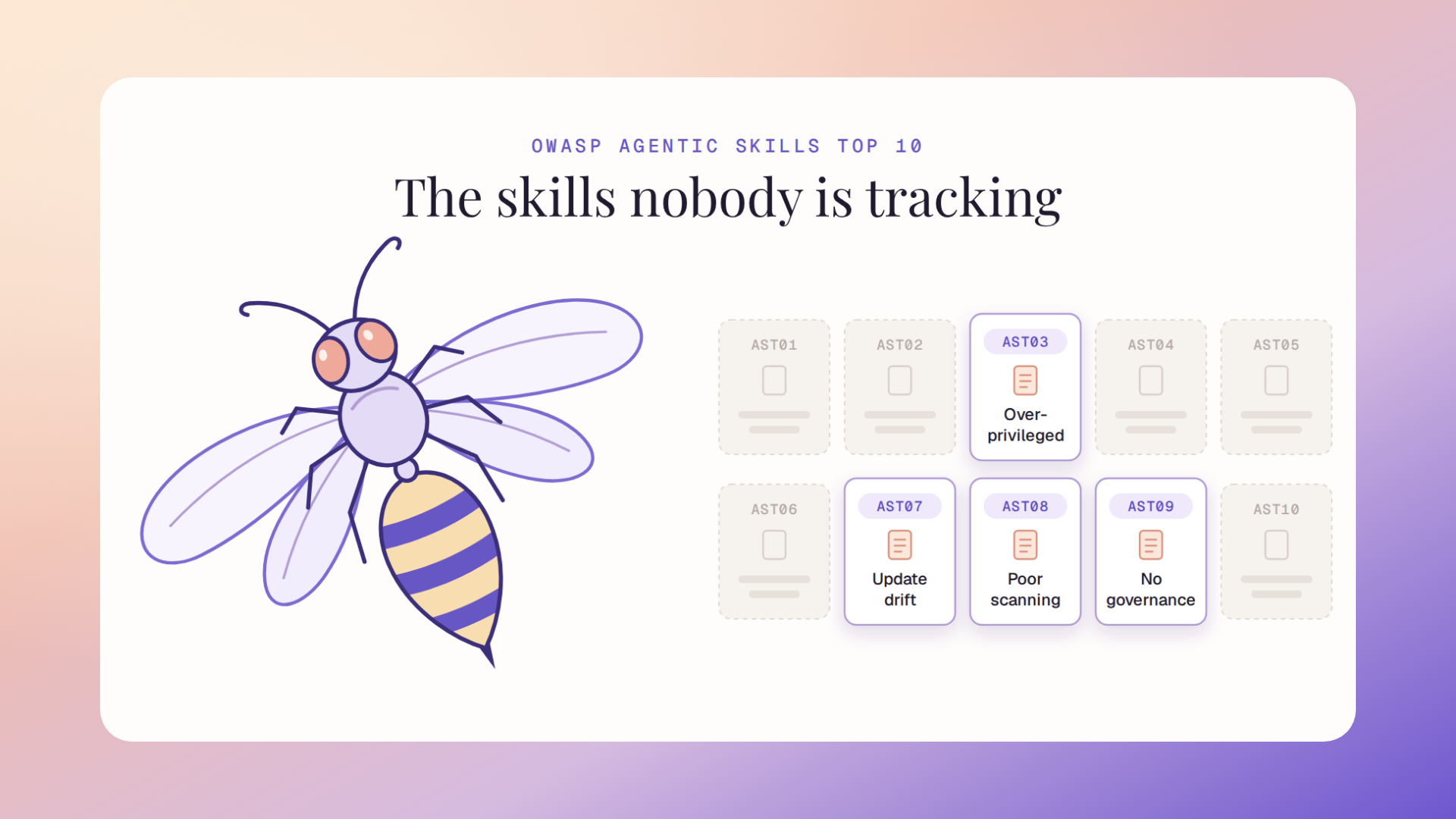
OWASP’s new Agentic Skills Top 10 gives security teams a shared vocabulary for agent skills.
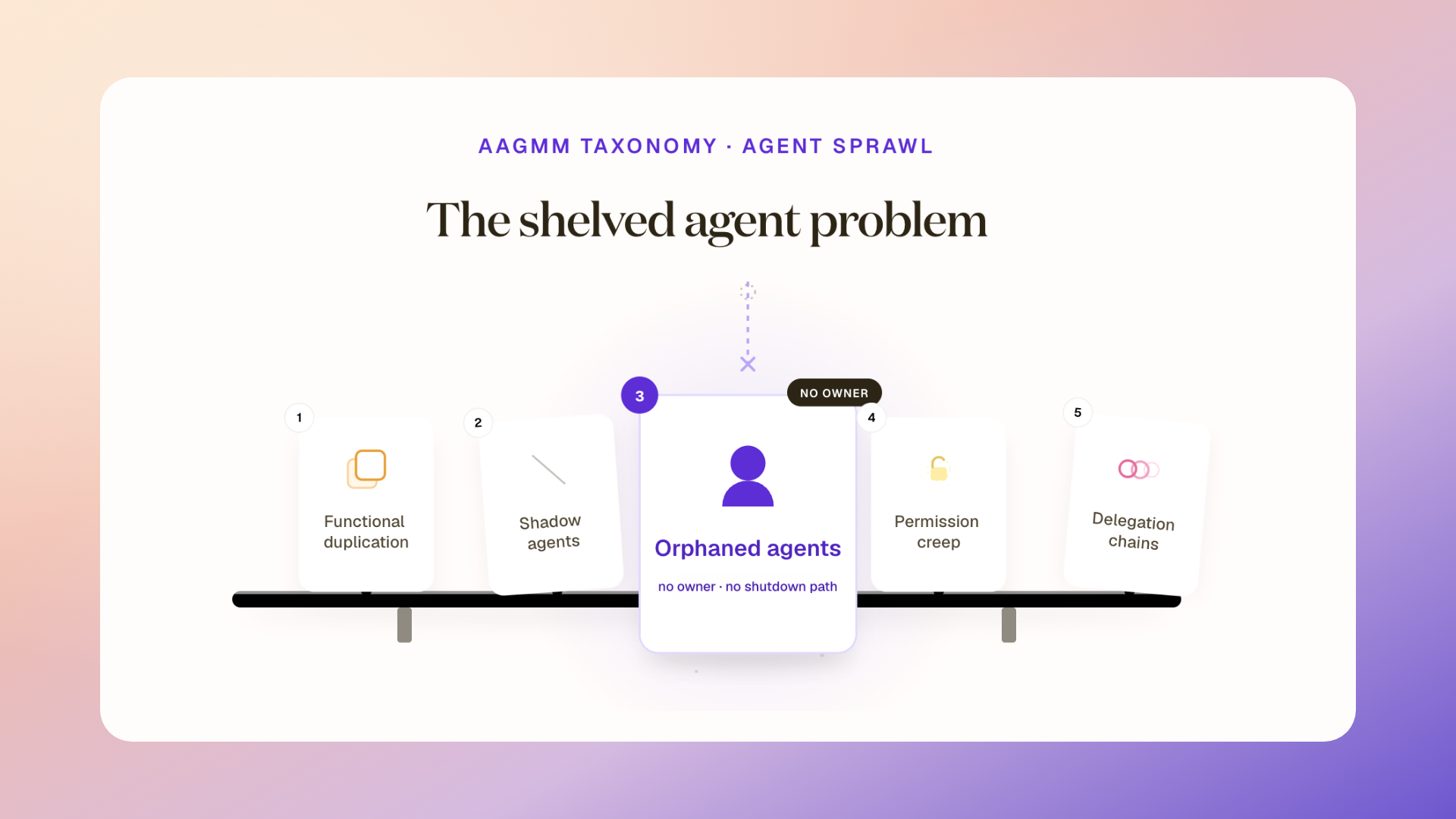
When enterprises iterate on their agent workflows, older agents rarely get decommissioned.